
At Praana Speciality Healthcare, women receive personalised and compassionategynecology and obstetrics care under expert supervision. Conveniently located inYelahanka, North Bangalore, the clinic focuses on helping women understand fertilityconcerns clearly—especially tests like AMH (Anti-Müllerian Hormone), which often raisequestions during pregnancy planning.
If you are trying to conceive or planning your future fertility, understanding your AMH levelscan help you take timely and informed decisions.
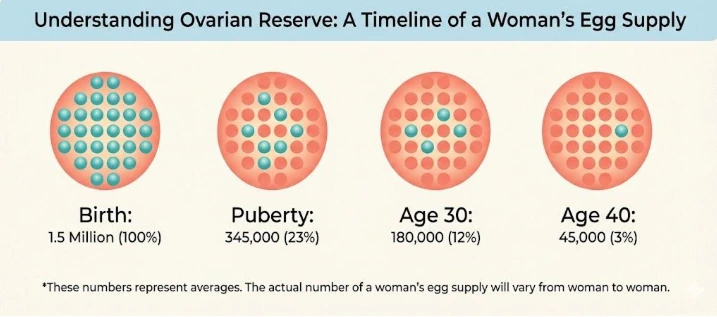
AMH is a hormone produced by the ovaries that gives an estimate of ovarian reserve,meaning the number of eggs remaining.
It is important to understand that AMH does not measure egg quality, only quantity.
In fertility practice, AMH is commonly used to understand how the ovaries may respond tofertility treatments. However, low AMH does not mean infertility, and many womenconceive naturally despite lower readings.
While AMH is useful, age remains the most important factor in fertility outcomes. Evenwomen with similar AMH values can have very different chances of pregnancy depending ontheir age.
Clinical data shows:
This means young women in Yelahanka and Bangalore diagnosed with low AMH shouldnot panic—early guidance and timely planning make a significant difference.
Several factors can influence AMH levels, including:
A detailed evaluation by an experienced gynecologist in Yelahanka helps identify thesefactors early.
While AMH levels may not increase significantly, overall reproductive health can beoptimised through healthy daily habits.
Adequate water intake supports detoxification and nutrient delivery to the ovaries.
The AMH test is a simple blood test that can be done on any day of the menstrual cycle,making it convenient for working women and busy schedules.
It is especially recommended if:
AMH levels offer useful insight into ovarian reserve, but they do not define your ability toconceive. AMH reflects egg quantity—not egg quality—and must always be interpretedalongside age, menstrual health, and overall wellbeing.
An AMH range of 1.0–3.0 ng/mL is generally considered favourable, but younger womenwith lower AMH often conceive naturally when cycles are regular.
At Praana Speciality Healthcare, Yelahanka, fertility care focuses on personalisedguidance, early assessment, and realistic planning—helping women make informed choiceswithout unnecessary anxiety.