Understanding Poor Ovarian Reserve: Causes, Diagnosis, and Options
Infertility is a deeply personal and often challenging journey for many couples. Among the various factors that affect female fertility, poor ovarian reserve (POR) is one of the most critical. It refers to a condition where the ovaries lose their normal reproductive potential, leading to a reduced quantity and quality of eggs. For women trying to conceive, this diagnosis can feel overwhelming — but understanding it is the first step toward finding the right options.
What Is Ovarian Reserve?
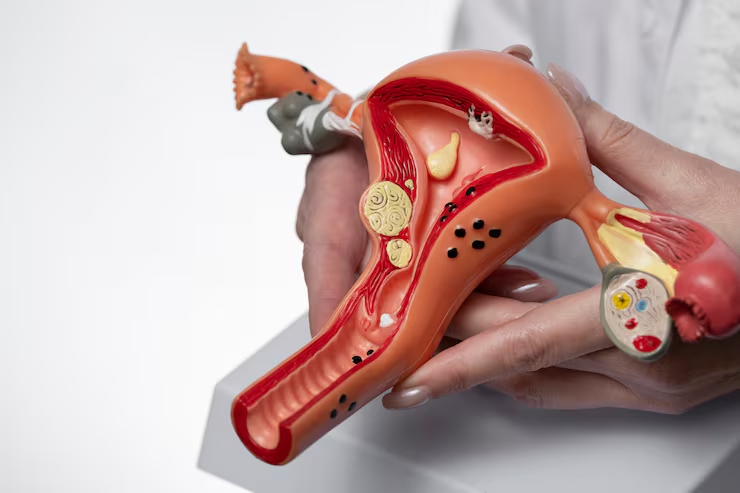
Ovarian reserve refers to the number and quality of eggs (oocytes) a woman has at a given age. Every woman is born with a finite number of eggs, and this number declines naturally with age. However, in some women, this decline occurs earlier or more rapidly than expected, leading to poor ovarian reserve.
When ovarian reserve is low:
- The number of available eggs is fewer than average.
- The quality of eggs may be reduced, lowering the chances of fertilization and healthy embryo development.
Causes of Poor Ovarian Reserve
Several factors can contribute to reduced ovarian reserve:
- Age – The most significant factor. After age 35, ovarian reserve declines more rapidly.
- Genetics – Some women may inherit a predisposition to early ovarian aging.
- Medical conditions – Endometriosis, autoimmune diseases, or chromosomal abnormalities can accelerate egg depletion.
- Medical treatments – Chemotherapy, radiation, or ovarian surgery may damage ovarian tissue.
- Lifestyle factors – Smoking, poor nutrition, and environmental toxins may impact egg health.
- Idiopathic (unknown causes) – In some cases, no clear reason is found.
How Is Poor Ovarian Reserve Diagnosed?
Doctors use a combination of medical history, physical exams, and specialized tests to assess ovarian reserve:
- AMH (Anti-Müllerian Hormone) Test: Measures hormone levels secreted by ovarian follicles. Low AMH suggests fewer eggs.
- AFC (Antral Follicle Count): An ultrasound count of visible follicles in the ovaries.
- FSH (Follicle Stimulating Hormone) Test: Elevated FSH levels on day 2–3 of the cycle indicate reduced ovarian function.
- Age & menstrual history: Shorter or irregular cycles can signal diminished reserve.
Balancing Infertility and Career: A Lifestyle, Stress, and Treatment Guide for Women
Navigating Both Worlds Infertility is not just a medical journey — it is an emotional, mental, and logistical one. For many women, the challenge becomes even more complex when fertility treatments overlap with demanding professional roles. Balancing doctor visits, hormone changes, relationship dynamics, personal goals, and workplace expectations can feel like a full-time job. But with the right strategies, you can navigate this phase with strength, clarity, and self- compassion. This blog brings together career balance, lifestyle habits, stress management, and fertility treatment guidance into one practical roadmap.
1. Balancing Infertility With a Career: Finding Your Middle Path
Plan for Flexibility Fertility treatments require ultrasound scans, blood tests, and unpredictable schedule changes. Options that help:
- Remote or hybrid work arrangements
- Flexible hours during treatment cycles
- Blocking early-morning slots in your calendar
If you are comfortable, inform HR or a trusted manager. Even a simple conversation can create breathing space.
Create Work Boundaries
During treatment cycles:
- Avoid overcommitting to new projects
- Reduce overtime
- Batch high-concentration tasks on non-procedure days
- Let colleagues know your “do-not-disturb” blocks
Small boundaries protect your energy during emotionally and hormonally intense weeks.
2. Lifestyle Choices That Support Fertility Naturally
Eat for Hormone Balance
A fertility-friendly eating pattern includes:
- Whole grains (brown rice, oats, quinoa)
- Leafy greens and colorful vegetables
- Lean proteins (fish, eggs, legumes)
- Healthy fats (nuts, seeds, olive oil)
- Low added sugars and minimal processed foods
Consistency matters more than perfection.
Move with Moderation
Exercise supports hormonal regulation and stress relief:
- 30- 45 minutes of walking, yoga, or light cardio
- Strength training 2–3 times a week
- Avoid intense exercises during treatment cycle unless doctor-approved
Sleep Is Your Silent Fertility Partner
Quality sleep stabilizes reproductive hormones like progesterone and cortisol. Aim for 7–8 hours of consistent rest. Avoid late night shifts
3. Stress Management: Coping With the Emotional Weight
Infertility can feel isolating, especially while juggling work and personal responsibilities. Stress doesn’t cause infertility, but managing it can improve your emotional resilience.
Daily Stress Reset Tools
- Mindfulness or 5-minute breathwork
- Guided meditations
- Journaling your emotions
- Yoga or stretching
- Mini-breaks during the workday
Emotional Boundaries
Protect your mental space:
- Avoid excessive social media during treatment
- Distance yourself from triggering conversations
- Have one “no fertility talk” day per week with your partner
Seek Support When Needed
A fertility counselor or mental-health professional can help ease anxiety, grief, and burnout.
4. Understanding Fertility Treatment: A Simple Roadmap
Whether you're just beginning or already in treatment, these are the stages many women go through:
Diagnostic Tests
- Blood work: AMH, FSH, thyroid, prolactin, etc.
- Ultrasound for follicle count
- Semen analysis
- Tube testing (HSG/DHL)
Treatment Options
- Ovulation Induction – for irregular cycles
- IUI (Intrauterine Insemination) – for mild male-factor or unexplained infertility
- IVF – for low AMH, blocked tubes, age-related issues, male-factor infertility
- Advanced options – ICSI, PGT-A, donor programs
Managing Treatment + Work
- Plan lighter workweeks during treatment.
- Take mental-health days around procedures and test results
- Use reminders and calendars to stay organized
- Keep emergency flexibility in your schedule
5. Balancing Personal Life, Relationship, and Self-Care
Your relationship may be under pressure — communication becomes essential.
Tips for couples
- Share emotions without blame
- Attend key appointments together
- Maintain intimacy outside fertility timelines
- Celebrate small wins.
Protect Your Identity Beyond Infertility
You are more than your diagnosis. Continue nurturing:
- hobbies
- friendships
- personal goals
This helps anchor you emotionally.
Balancing infertility with a busy career and personal life is one of the toughest journeys a woman can face. There will be days of hope, frustration, exhaustion, and strength. None of it means you’re failing. Give yourself grace. Choose rest when needed. Seek support where possible. And remember: you don’t have to walk this journey alone. At praana speciality healthcare we guide you through the required treatment procedure with support and calmness at affordable prices. Fertility treatment doesn’t necessarily mean IVF!!